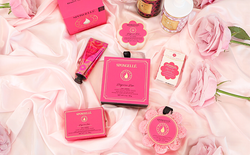
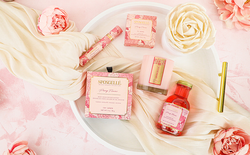





The difference between a rushed shower and a feel-good body ritual often comes down to one small upgrade. If you’ve been wondering how to use buffing soap, the good news is that it’s simple, satisfying, and far more elegant than juggling a bar soap, body wash, scrub, and loofah all at once.
Buffing soap is designed to cleanse while gently exfoliating, so your skin feels polished, refreshed, and touchably smooth without adding extra steps to your routine. That all-in-one appeal is exactly why it fits so beautifully into modern self-care - especially when you want results that feel indulgent, not complicated.
What buffing soap actually does
Buffing soap combines cleansing with physical exfoliation. Depending on the format, it may include a textured sponge, built-in buffer, or exfoliating surface that helps lift away dull skin while the cleanser lathers. Instead of washing first and scrubbing second, you’re doing both at the same time.
That matters because dry, flaky skin can make even the richest body cream feel less effective. When you remove surface buildup gently and consistently, skin tends to feel softer, look more even, and absorb moisture more beautifully. It also leaves your body care routine feeling more polished overall, which is a lovely bonus if you care as much about the experience as the outcome.
Still, there’s a balance. More exfoliation is not always better. The goal is smooth, comfortable skin - not redness, tightness, or overworked areas.
How to use buffing soap the right way
If you’re learning how to use buffing soap for the first time, start with warm water and a light touch. Let your skin soften for a minute or two in the shower or bath before using the soap. This helps the buffing surface glide more easily and makes the exfoliation feel gentler.
Next, wet the buffing soap thoroughly. If it includes a built-in sponge or buffer, give it a few squeezes under running water until it begins to soften and build a creamy lather. Once you see foam, massage it over your body using circular motions.
Start with areas that typically feel rougher, like elbows, knees, heels, and the backs of arms. Then move over the rest of the body with lighter pressure. You do not need to scrub hard to get the effect. In fact, pressing too firmly can leave skin feeling irritated instead of polished.
Take your time around dry zones, but be gentler on delicate areas such as the chest and neck. Most buffing soaps are best for the body rather than the face, since facial skin is usually more sensitive and needs a different level of exfoliation.
After cleansing and buffing, rinse thoroughly. If your product contains a sponge or body buffer, squeeze out excess water when you’re done and let it dry in a well-ventilated area. That keeps the texture fresh and helps preserve the product between uses.
How often should you use buffing soap?
This is where skin type matters. For some people, buffing soap feels wonderful every day, especially if the texture is soft and the formula is moisturizing. For others, two to four times a week is the better rhythm.
If your skin is dry or sensitive, start slowly. Using buffing soap a few times a week gives you a chance to see how your skin responds. If you have oilier or more resilient skin, you may enjoy it more often, particularly on rough spots.
Season plays a role too. In winter, skin tends to be drier and may prefer a gentler schedule. In warmer months, when sunscreen, sweat, and body products build up more quickly, regular buffing can feel especially refreshing.
The best frequency is the one that leaves your skin smooth and comfortable. If you notice stinging, excess dryness, or tenderness, scale back.
How to use buffing soap without over-exfoliating
A luxurious routine should leave skin glowing, not stressed. The easiest way to avoid overdoing it is to pay attention to pressure, repetition, and product layering.
Use light to moderate pressure, not an aggressive scrub. One or two passes over each area is usually enough. And if you’re already using other exfoliating products - like body scrubs, glycolic lotions, or salicylic acid treatments - you may not need to use buffing soap as often.
This is especially important on areas prone to sensitivity. If you shave, consider using buffing soap on a different day from shaving if your skin tends to react. Pairing both in the same shower can be fine for some people, but for others it leads to dryness or that slightly overpolished feeling.
Moisturizing afterward also makes a visible difference. Exfoliation works best when it’s followed by hydration, because freshly buffed skin is primed for softening ingredients.
Where buffing soap works best
Buffing soap shines on the body’s rougher, duller areas. Elbows, knees, feet, and upper arms are common favorites because they tend to collect dry skin and benefit from a little extra smoothing.
It’s also a beautiful option before self-tanner, body lotion, or fragranced body care. When skin is freshly cleansed and gently exfoliated, those follow-up products tend to apply more evenly and feel more luxurious. If you love the polished finish of an elevated body routine, this is where buffing soap really earns its place.
That said, use caution anywhere you have broken skin, irritation, sunburn, or active sensitivity. Buffing soap should never feel sharp or uncomfortable.
Common mistakes people make
The most common mistake is treating buffing soap like a heavy-duty scrub. It’s meant to refine, not strip. Fast, harsh scrubbing does not create better results - it usually just leaves skin irritated.
Another mistake is using it on completely dry skin. Buffing soap needs water to soften, lather, and glide properly. Without enough water, the experience can feel rougher than it should.
Some people also forget aftercare. Smooth skin feels even better when followed by a body lotion, cream, or oil that seals in hydration. If you want that velvety finish, don’t skip this step.
Storage matters too. Leaving a buffing soap in pooled water can shorten its life and affect the experience. A quick rinse, squeeze, and proper dry-out keeps it in better condition.
How to build a more indulgent shower ritual
Once you know how to use buffing soap, it can become the centerpiece of a streamlined body care ritual. Start with warm water, use the buffing soap slowly rather than rushing through it, and let the fragrance turn a basic shower into a more sensorial moment.
After rinsing, pat skin dry instead of rubbing aggressively with a towel. Follow with moisturizer while skin is still slightly damp. If fragrance is part of your routine, this is the perfect time to layer it. Smooth skin tends to make the whole ritual feel more finished, more elevated, and honestly more gift-worthy when you’re choosing products for someone else.
This is also why buffing soap appeals to people who want luxury without clutter. It simplifies the shower shelf while still giving that spa-inspired payoff. For a brand like Spongellé, that blend of ease, fragrance, and polish is exactly the point.
How to choose the best buffing soap for your routine
Not every formula feels the same, so think about what you want most from the experience. If your priority is daily use, look for a softer texture and a moisturizing cleanser. If you want stronger smoothing for rough patches, a more exfoliating surface may suit you better.
Fragrance matters too, especially if your shower is part of your mood-setting ritual. Fresh, floral, warm, or fruity notes can shift the whole feel of your routine. If you’re shopping for a gift, choose a scent profile that feels universally appealing or aligned with the occasion.
It’s also smart to consider who’s using it. Someone with sensitive skin may want a gentler option and less frequent use, while someone who loves a polished, just-left-the-spa feel may prefer a more noticeable buffing effect.
When buffing soap may not be the best choice
Buffing soap is wonderfully convenient, but it isn’t for every moment. If your skin barrier feels compromised, irritated, or unusually dry, a plain creamy cleanser may be the better option until your skin feels calm again.
The same goes for skin conditions that flare with friction. In those cases, less texture is often better. If you’re unsure, it’s worth checking with a dermatologist before adding regular exfoliation.
There’s also a preference factor. Some people love an all-in-one product because it saves time and feels chic. Others still enjoy separate steps for cleansing and exfoliating. Neither approach is wrong. It depends on your skin, your schedule, and how you like your rituals to feel.
Buffing soap works best when it feels like a treat your skin actually enjoys. Use a light hand, keep the routine consistent, and let the soft, polished finish speak for itself the next time you step out of the shower.