




Some body-care choices are purely practical. This is not one of them. The question of exfoliating gloves vs scrub is also about the feeling you want from your shower: a brisk, freshly polished reset or a creamy, fragrance-filled moment that lingers long after you towel off. Both can leave skin touchably smooth, but they get there differently.
The better choice depends on your skin’s sensitivity, how much time you have, and whether you prefer a separate exfoliating step or a more streamlined ritual. Here is how to choose the texture, frequency, and format that makes every shower feel a little more special.
Exfoliating Gloves vs Scrub: The Core Difference
Exfoliating gloves use physical friction. Worn on the hand and used with body wash, they buff away loose, dull surface skin as you massage in circular motions. The experience is hands-on, adjustable, and often more invigorating than a traditional body scrub.
A body scrub places the exfoliation directly in the formula. Fine sugar, salt, seeds, or other exfoliating particles are suspended in an oil, cream, gel, or whipped base. As you massage it over damp skin, the grains provide the polishing action while the formula may add a softer, more cushiony feel.
Neither approach is automatically better. Gloves give you more control over pressure and coverage, while scrubs can make the ritual feel especially decadent. Your ideal option comes down to how your skin responds and how you like to spend those few minutes in the shower.
What exfoliating gloves do best
Gloves are a favorite for anyone who enjoys a thorough, all-over exfoliation. They can be especially satisfying on areas that tend to feel rough or dry, such as elbows, knees, ankles, and the backs of arms. Because the glove moves with your hand, it is easy to tailor the pressure: gentle passes for delicate areas, firmer circular motions where skin feels more textured.
They are also wonderfully straightforward. Add your preferred cleanser, lather, massage, rinse, and hang the gloves somewhere airy to dry. For people who like a minimalist shower shelf, gloves keep exfoliation separate from the cleanser and moisturizer you already love.
There is a trade-off. A rough glove paired with heavy pressure can be too much for easily irritated skin. The texture may also be difficult to use around active breakouts, freshly shaved skin, or any area that feels tender. More scrubbing does not mean better results. Skin should feel smooth and refreshed, never raw, hot, or tight.
What body scrubs do best
A scrub creates a more sensorial experience. You can choose a formula based on the kind of moment you want: bright and energizing, warm and comforting, or soft and spa-like. The exfoliating particles give immediate polish, while a richer base can leave skin feeling conditioned rather than simply cleansed.
Scrubs are particularly lovely when you want to slow down. Massage one over damp skin before rinsing, then follow with lotion or body cream while skin is still slightly dewy. The result is the kind of softness that makes putting on your favorite robe or slipping into clean sheets feel even better.
The downside is that some formulas can be messy, and coarse particles are not right for every body. Salt-based scrubs may sting after shaving or on compromised skin. Oil-rich formulas can make the shower floor slippery, so rinse the area thoroughly after use. If you have sensitive skin, look for finer exfoliating particles and use a light hand.
Which One Is Better for Your Skin Type?
If your skin is generally resilient and you enjoy a vigorous cleanse, exfoliating gloves may be the satisfying choice. Start with gentle pressure and limit use to once or twice a week. Pay close attention to how your skin feels the next day, not only immediately after the shower.
If your skin leans dry, a moisturizing scrub may feel more comfortable because the base helps soften the experience. Choose a fine-grain formula and avoid long, aggressive rubbing. A scrub can also be a beautiful pre-moisturizer step when your body lotion needs a little help absorbing evenly over dry patches.
Sensitive skin calls for more restraint with either option. Exfoliate less often, skip fragranced products if fragrance tends to bother you, and do not exfoliate skin that is sunburned, irritated, or healing. If you manage eczema, psoriasis, keratosis pilaris, or another ongoing skin concern, it is wise to ask a dermatologist what level of physical exfoliation makes sense for you.
For acne-prone areas on the chest or back, avoid harsh scrubbing. Friction can aggravate inflamed blemishes. A gentle cleanser and a skin-care routine suited to body breakouts are often more helpful than trying to scrub texture away.
The Convenience Question: Separate Steps or One Beautiful Buffer?
Gloves and scrubs both ask you to add a step to your shower. That is perfect when you want an intentional ritual, but not always realistic on a busy morning. If your goal is smoother skin without collecting more products or extending your routine, an exfoliating cleansing buffer offers a compelling middle ground.
A body wash infused buffer combines cleanser, exfoliation, and fragrance in one ready-to-use format. Wet it, squeeze it into a rich lather, and let the textured surface polish skin as you cleanse. It is a polished answer for travelers, gym bags, guest bathrooms, and anyone who wants their shower to feel indulgent without opening three different jars and bottles.
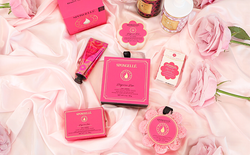
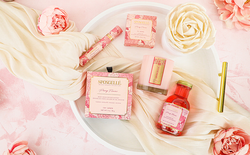
Spongellé buffers are designed around this kind of easy luxury, pairing a built-in cleanser with a texture that turns a practical shower into a fragrant, gift-worthy ritual. The format is especially appealing when you want a consistent experience from the first use to the last, with no measuring, scooping, or separate glove to wash.
That said, separate products still have their place. A glove lets you use any body wash you want, and a scrub can deliver the rich, oil-based finish that some skin craves. Think of an all-in-one buffer as the option for effortless polish, not a rule that replaces every other ritual.
How Often Should You Exfoliate Your Body?
For most people, one to two times per week is plenty. If your skin is very dry or sensitive, once every seven to 10 days may be more comfortable. If you use a gentle buffer regularly, keep the pressure light and let your skin guide the frequency.
The best sign that your routine is working is soft, comfortable skin that feels balanced. Flaking, redness, stinging, or a persistent tight feeling are signs to pause and simplify. Exfoliation supports a healthy-looking glow, but it cannot replace moisture. Apply body lotion, body cream, or body oil after bathing to help maintain that smooth finish.
Timing matters, too. Exfoliate before applying self-tanner for a more even-looking result, but avoid overdoing it immediately before a beach day or any time your skin will get extra sun exposure. If you shave, try exfoliating the day before or on a separate day rather than scrubbing freshly shaved skin.
Make the Ritual Feel Worth Repeating
The right choice is the one you will use gently and consistently. Choose exfoliating gloves when you want customizable, hands-on polishing. Reach for a scrub when you are craving a richer, slower body-care moment. Choose an exfoliating buffer when convenience, fragrance, and an elevated all-in-one experience sound like exactly what your shower has been missing.
Keep the pressure light, moisturize afterward, and let your skin set the pace. A few intentional minutes can turn an ordinary rinse into the softest part of your day.