




A beautiful fragrance should feel like the finishing touch to your ritual, not something you rush through at the door. Learning how to layer body fragrance turns a favorite scent into a more personal, lasting experience - beginning in the shower and softly staying with you through dinner plans, errands, and everything in between.
The secret is not wearing more fragrance. It is giving fragrance something to hold onto, then building it in light, intentional layers. Think plush skin, complementary notes, and a routine that feels as indulgent as it smells.
How to Layer Body Fragrance, Starting in the Shower
Fragrance layering begins with clean, freshly exfoliated skin. When skin is dull, dry, or covered in residue, scent can fade quickly or wear unevenly. A warm shower creates the ideal first step: it refreshes the body, softens the skin, and turns a quick cleanse into a sensory reset.
Choose a fragranced cleansing buffer or body wash with a scent family you want to carry through the day. Florals such as jasmine, rose, and gardenia feel polished and feminine. Citrus, bergamot, and fresh greens bring a bright, energized mood. Coconut, vanilla, amber, and sandalwood deliver warmth and a little more staying power.
Exfoliation matters here, but gentle consistency matters more. Smooth skin allows moisturizer and fragrance to apply more evenly, while over-scrubbing can leave skin feeling tight. Use a body buffer as directed, paying special attention to areas that tend to feel dry, such as elbows, knees, ankles, and the backs of the arms. The goal is soft, comfortable skin that feels ready for the next layer.
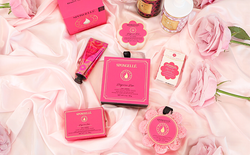
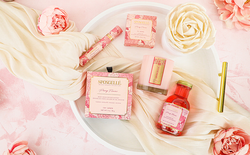
At Spongellé, fragrance-forward bathing is designed to make this first step feel like a small luxury rather than another task on your list. Let the shower scent set the direction for everything that follows.
Apply Moisture While Skin Is Still Soft
The most effective fragrance layering routine is built on moisture. After showering, pat skin dry instead of rubbing it vigorously with a towel. Leave it slightly damp, then apply body lotion, body cream, or a lightweight body oil within a few minutes.
Well-moisturized skin gives fragrance a smoother surface, which can help it linger longer. If you are wearing a perfume with warm or sweet notes, a rich cream can make the scent feel fuller and more enveloping. If you prefer something airy and fresh, choose a fast-absorbing lotion so your final fragrance stays crisp rather than heavy.
A matching moisturizer is lovely, but it is not mandatory. Unscented lotion is the easiest option when you want your perfume to be the star. A lightly scented lotion can also work beautifully if its notes sit close to your fragrance family. For example, pair a vanilla lotion with amber, caramel, or soft woods. Pair a clean musk with fresh linen, pear, citrus, or delicate white florals.
If you are unsure whether two scents belong together, test them on your wrist before committing to your whole body. Give the combination five to ten minutes. The first spray can be misleading; the dry-down is where you will notice whether the pairing becomes creamy, bright, powdery, or unexpectedly sharp.
Use a Fragrance-Free Base When You Want More Flexibility
A fragrance-free moisturizer is the quiet hero of a versatile body care wardrobe. It supports your skin and lets you switch from a sunny citrus scent at brunch to something deeper for an evening out without competing notes.
This is especially useful for a signature perfume you wear often. Keep your supporting layers simple, and let that one familiar scent become part of your presence.
Add Fragrance in the Right Places
Once lotion has settled, apply your body fragrance to pulse points. These are the naturally warm areas where scent can gently bloom: the wrists, inner elbows, behind the ears, at the base of the throat, and behind the knees if you are wearing a dress or skirt.
Use a light hand. Two to four sprays are usually enough, depending on the strength of the formula and where you are going. A fragrance mist tends to feel breezier and may invite a more generous application. An eau de parfum is often more concentrated and usually needs less.
Do not rub your wrists together after spraying. Friction can disrupt the top notes, which are the bright first impression of a fragrance. Let the scent dry naturally instead. If you want a softer scent cloud, spray once into the air and walk through it, then use pulse points for the fragrance you want to last.
Hair can hold scent beautifully, but standard perfume may be drying if applied repeatedly. Mist a brush lightly and run it through dry hair, or spray the air above your head and let the fragrance settle. Keep it subtle, particularly if your hair is freshly styled or color-treated.
Choose Notes That Build, Not Battle
The art of layering is less about finding exact matches and more about choosing notes with a shared mood. A bright grapefruit shower scent can pair with neroli, orange blossom, clean musk, or soft cedar. A romantic rose can take on a modern edge with pear, lychee, or suede. Vanilla becomes more sophisticated beside sandalwood, coffee, spice, or amber.
For a simple approach, use the scent wheel in your mind: fresh notes tend to blend easily with florals and soft musks; florals pair naturally with fruits, tea notes, and woods; warm gourmands shine with amber, spice, and creamy woods. The closer the scent families are, the more seamless the result usually feels.
Contrast can be gorgeous, too, but it requires restraint. Coconut and citrus can create a vacation-ready effect. A clean soap scent beneath a dark, smoky perfume can make it feel more wearable for daytime. Start with one dominant fragrance and one supporting layer. If each product is powerful on its own, the finished effect can become crowded.
Consider the Season and Your Plans
Body fragrance should meet the moment. In warm weather, fresh citrus, aquatic notes, white tea, and sheer florals feel effortless. Choose lighter layers and keep application focused on a few pulse points. Heat amplifies fragrance, so a scent that feels perfect in an air-conditioned bedroom may project more strongly outdoors.
Cooler months invite a more cocooning ritual. Creamy woods, vanilla, amber, tonka, and spice pair beautifully with richer body creams. You may also prefer applying fragrance to clothing, such as the inside of a jacket or scarf, but test a hidden area first because some formulas can leave marks on delicate fabrics.
For work, close spaces, or travel days, keep the scent close to the skin. A moisturizing layer plus a restrained application at the wrists and neck creates a polished impression without taking over the room. For a special event, add a touch behind the knees or at the décolletage for a little extra presence.
Make Your Scent Last Without Overdoing It
Reapplying fragrance is completely fine, but it should feel like a refresh, not a rescue. Carry a travel-size body mist or perfume when you have a long day ahead, then add a single spray to pulse points in the late afternoon. If your scent seems to disappear quickly, ask whether you have become nose-blind to it before adding more. Often, others can still smell it even when you cannot.
Storage makes a difference, too. Keep fragrances away from direct sunlight, humidity, and dramatic temperature changes. The bathroom counter may be convenient, but steam and heat can affect a formula over time. A cool drawer, vanity, or closet shelf is a better home for the bottles you want to savor.
Your skin chemistry also has a say. The same perfume can smell sweeter, warmer, or cleaner from one person to the next, and that is part of the pleasure. Rather than chasing someone else’s exact routine, notice which notes make you feel most like yourself.
Build your layers slowly, wear them for a full day, and let the ritual become yours. The best body fragrance combination is the one that makes getting ready feel a little more luxurious every single time.