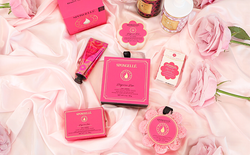
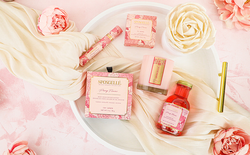





That just-showered feeling is at its best for only a few minutes: warm skin, a favorite fragrance in the air, and a clean slate for the rest of your ritual. Learning how to moisturize after shower is less about adding another complicated step and more about timing it well. Apply the right formula while your skin is still lightly damp, and it can feel softer, smoother, and more comfortably hydrated long after you towel off.
Why Moisturizer Works Better After a Shower
Water is essential for hydrated-looking skin, but a long, hot shower can also leave skin feeling tight. Cleansing, heat, and towel drying may remove some of the natural oils that help support the skin's moisture barrier. That is why skin can feel thirsty even when you have just stepped out of the bath or shower.
A body moisturizer does not simply add moisture from the outside. Its job is to help hold onto the water already present in your skin while replenishing softness with emollient ingredients. The sweet spot is right after bathing, when your skin is clean and slightly damp rather than completely dry.
Think of it as the finishing touch to your bath ritual. Cleansing refreshes the skin, gentle exfoliation helps reveal a smoother surface, and moisturizer leaves that softness feeling cared for instead of fleeting.
How to Moisturize After Shower in 5 Minutes
The best routine is the one that feels easy enough to repeat. You do not need a crowded bathroom shelf or a 12-step regimen. A few intentional moments can make everyday body care feel polished and indulgent.
1. Cleanse without overdoing the heat
Start with comfortably warm water instead of water that is steaming hot. Very hot showers can be relaxing, especially at the end of a long day, but they may leave dry or sensitive skin feeling more stripped. Keep your shower at a temperature that feels soothing, then use a cleanser that leaves your skin refreshed rather than squeaky-clean.
For a more elevated experience, a body buffer that combines cleansing and exfoliation can streamline the ritual. Use light pressure and let the lather and texture do the work. If your skin is sensitive, limit exfoliation to a few times a week or choose a gentler touch on areas that tend to feel reactive.
2. Pat dry, but leave a little water behind
Do not rub your body vigorously with a towel. Instead, gently press or pat your skin until it is no longer dripping. You are looking for a light veil of dampness, especially on your arms, legs, chest, and shoulders.
This small shift is the secret behind how to moisturize after shower time effectively. If you wait until skin feels papery dry, you can still apply lotion, but you may miss the easiest opportunity to help seal in post-shower hydration.
3. Apply moisturizer within a few minutes
Bring your lotion, body cream, or body oil within reach before you get in the shower. Then apply it within about three minutes of stepping out, before you get distracted by skincare, hair, or getting dressed.
Warm a small amount between your palms and smooth it over your body in broad, unhurried strokes. Start where dryness is most noticeable, which for many people means the shins, knees, elbows, hands, and feet. Give those areas a little extra product, then sweep what remains across the rest of your skin.
There is no need to use more than your skin can absorb. A good body moisturizer should leave you supple and comfortable, not slippery or sticky. If your clothes cling right away, try using a smaller amount or switch to a lighter lotion for daytime.
4. Match the formula to your skin and schedule
Lotion is often ideal for normal or combination skin, warm weather, and mornings when you want to get dressed quickly. It delivers everyday hydration with a lighter finish.
A richer body cream may be the better choice for dry skin, colder months, or nighttime care. Creams tend to feel more cushiony and can be especially welcome on rough patches such as elbows, knees, and heels.
Body oil creates a glossy, spa-like finish and can be beautiful on damp skin. It is a lovely choice when you want a little extra ritual, though it may not be practical before fitted clothing or when you are in a hurry. For very dry skin, apply lotion first and smooth a few drops of oil over the driest areas to help hold that hydration in.
5. Let fragrance become part of the ritual
Moisturizing after a shower is also an opportunity to make your fragrance last in a softer, closer-to-the-skin way. A scented lotion or cream layers beautifully with a coordinating body wash or fragrance. Apply it over the body first, then add fragrance to pulse points if you wear it.
The goal is not to overwhelm the room. It is to create the kind of scent experience that makes getting ready feel special - a lingering floral, a bright citrus, a warm gourmand, or a clean, comforting finish that feels entirely yours.
Give Dry Areas Their Own Moment
Some parts of the body need more attention than others. Your feet, hands, elbows, knees, and lower legs often lose softness first, particularly during winter or if you wash your hands frequently.
At night, massage a richer cream into your feet and cover them with soft socks. For hands, keep a hand cream by the sink and use it after washing. A little consistency here makes a bigger difference than an occasional extra-thick application.
If your back feels dry but is difficult to reach, a long-handled body care tool can make the process more comfortable. The key is to avoid aggressive scrubbing, particularly if you are already dealing with flaking or irritation. Smooth, regular hydration is kinder to skin than trying to scrub dryness away.
When Your Skin Needs a Different Approach
Not every shower routine should look the same. If you have acne-prone skin on your chest or back, choose a lightweight, non-greasy moisturizer and avoid heavy layers in areas that tend to break out. If you have sensitive skin, fragrance-free body care may be the most comfortable option, even if you save scented products for less reactive areas.
For skin that feels persistently itchy, cracked, inflamed, or painful, keep showers shorter and lukewarm, simplify your product lineup, and consider speaking with a dermatologist. Body lotion can support everyday dryness, but it cannot replace personalized care for a skin condition.
Season matters, too. You may love a sheer, fast-absorbing lotion in humid summer weather and want a plush cream once the air turns cold and dry. Let your skin guide you rather than forcing one formula to work year-round.
Common Moisturizing Mistakes That Leave Skin Feeling Dry
The most common mistake is waiting too long. By the time you finish scrolling, blow-drying your hair, or making coffee, damp skin has usually dried down. Keep moisturizer visible and ready so it becomes an automatic part of leaving the shower.
Another is exfoliating too often. Smooth skin is the goal, but daily vigorous exfoliation can leave some skin types feeling rougher, not softer. Use gentle pressure, watch how your skin responds, and allow your moisturizer to do its supporting work.
Finally, do not forget that body care is allowed to be pleasurable. A beautiful scent, a plush texture, and a few quiet minutes can turn a basic necessity into a small act of self-care. Spongellé brings that sensorial ease to the routine with body care designed to cleanse, exfoliate, and leave the skin ready for a luxurious layer of moisture.
Tomorrow, try placing your favorite moisturizer beside your towel before you shower. When you step out, take those two extra minutes while your skin is still dewy - it is a simple ritual with a noticeably softer payoff.