




A body sponge can make an ordinary shower feel like a small escape: warm water, a favorite fragrance, and that satisfying, skin-polishing lather. But the more often your sponge works for you, the more attention it needs in return. If you have been asking when should you replace body sponges, the answer depends on the material, how often you use it, and whether it can fully dry between showers.
A fresh body sponge supports a more enjoyable ritual. It feels soft or gently exfoliating, creates a generous foam, and lets your body wash or infused cleanser perform beautifully. An old, damp, worn-down sponge can do the opposite. Knowing the signs helps you keep the indulgence while making a practical choice for your skin.
When Should You Replace Body Sponges? Start With the Material
There is no single replacement date for every bath accessory. Natural sea sponges, mesh poufs, exfoliating buffers, and washcloths are made differently and wear differently. Think of the timelines below as a helpful starting point, then let the condition of your sponge make the final call.
Natural sea sponges
Natural sponges are prized for their plush texture and beautiful lather, but their porous structure means they need thoughtful care. With regular rinsing and thorough drying, a natural sponge will often last about three to six weeks. Replace it sooner if it starts to break apart, smells musty, feels slimy, or has any discoloration that does not rinse away.
Because natural sponges are especially absorbent, leaving one on the shower floor or in a humid corner can shorten its life. A dry, well-ventilated spot makes all the difference.
Mesh shower poufs and nylon sponges
Mesh poufs are convenient, airy, and great at turning a small amount of body wash into a cloud of bubbles. Still, their layers can trap moisture and product residue. For a pouf used daily, plan to replace it about every three to four weeks. If yours is unraveling, losing its shape, or holding an odor after rinsing, it is ready to retire now.
You may be able to extend its useful life slightly by hanging it outside the spray of the shower, where air can circulate around every layer. But do not stretch a pouf past its prime simply because it still looks bright. Texture and freshness matter more than color alone.
Exfoliating body buffers
Exfoliating buffers are designed to gradually wear down through use, so their replacement timeline is usually tied to the number of washes rather than the calendar. A pre-filled body buffer should be replaced when its cleanser is finished, its exfoliating surface has become noticeably flat or too soft, or it no longer gives you the polished feel you expect.
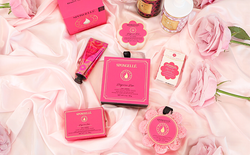
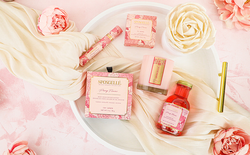
This is one reason an all-in-one format feels so effortless. Instead of guessing whether you have added too much product or held onto a separate exfoliator for too long, you can enjoy a consistent cleansing and exfoliation ritual, then reach for a fresh buffer when the experience is complete. Spongellé body buffers are made for this kind of elevated, convenient routine.
Washcloths and exfoliating gloves
Washcloths are easy to launder, which makes them a little different from a sponge. Ideally, use a fresh washcloth each shower or bath and wash it after use. Replace washcloths once they become rough, thin, stained, or unable to come clean in the wash.
Exfoliating gloves can often last several weeks to a couple of months, depending on their construction and use. Since they are used for more vigorous exfoliation, inspect them frequently for stretched fibers, buildup, or a roughness that feels scratchy rather than refreshing.
The Signs Your Sponge Is Ready to Go
Your senses are usually the best guide. A clean bath accessory should smell neutral or like its intended fragrance, feel comfortable against the skin, and rinse easily. When it stops doing those things, replacement is the more luxurious choice.
Pay attention to these clear signs:
- A sour, mildew-like, or otherwise off smell that remains after rinsing
- A slippery or slimy feel, especially before you add cleanser
- Dark spots, unusual discoloration, or visible residue
- Fraying mesh, crumbling material, or a sponge that has lost its structure
- A scratchy texture that leaves skin feeling irritated instead of silky-smooth
Why Body Sponges Need Regular Replacing
The shower is warm, wet, and often steamy - exactly the kind of environment where moisture can linger. After use, a sponge can hold onto water, dead skin cells, body wash residue, and oils from the skin. That does not mean every sponge is instantly unclean, but it does explain why drying and regular replacement are part of a well-cared-for body routine.
There is also the performance factor. A new sponge or buffer gives you better lather and a more even cleanse. A fresh exfoliating surface can help smooth the look and feel of dry areas such as elbows, knees, and heels without requiring a crowded shower shelf. Once the material breaks down, you may find yourself pressing harder to get the same effect, which can be too much for sensitive skin.
Replacing your sponge is not about chasing perfection. It is a simple reset that keeps a daily ritual feeling polished, fragrant, and worthy of a few quiet minutes to yourself.
Make Your Body Sponge Last as Long as It Should
Good care will not make a disposable or pre-filled buffer last forever, and it should not. But it can help reusable sponges stay fresher throughout their intended lifespan.
After every shower, rinse your sponge thoroughly until the water runs clear and no visible suds remain. Gently squeeze out excess water without twisting or tearing the material. Then hang it in a dry place with airflow. A hook outside the direct spray is better than leaving it in a puddle-prone soap dish or tucked into a closed shower caddy.
Avoid sharing body sponges, even with someone in your household. Sharing may seem harmless, but a personal bath accessory is best kept personal. If you are traveling, make sure your sponge or pouf can dry before you pack it. A damp item sealed in a toiletry bag is much more likely to develop an unpleasant smell.
For washable cloths and gloves, follow the care instructions and wash them regularly. If you have recently been sick, have an active skin infection, or are dealing with irritated or broken skin, it is wise to use a fresh accessory and be especially mindful about replacing or laundering anything that touches the affected area.
Let Your Skin Set the Exfoliation Schedule
How often you replace a sponge is one question. How often you exfoliate is another. If your skin is normal and enjoys gentle polishing, a mild buffer or soft exfoliating sponge may fit comfortably into your regular shower ritual. If your skin is dry, reactive, freshly shaved, sun-exposed, or using strong skincare treatments, you may prefer less frequent exfoliation and a softer cleansing option on in-between days.
More pressure is not better. Use light, circular motions and let the texture do the work. If skin looks red, stings, or feels tight afterward, scale back. A luxurious routine should leave you feeling smooth, comfortable, and wrapped in fragrance - never overworked.
A fresh body sponge is a small detail, but it changes the mood of the whole routine. Keep a replacement within reach, choose a scent that suits the moment, and let your next shower feel like the easy, polished reset it is meant to be.