




That tight, papery feeling after a shower can make even the prettiest bathroom ritual feel less than luxurious. The most effective dry skin solutions do not require a crowded shelf or an hour of upkeep. They begin with a few thoughtful choices: cleanse without stripping, exfoliate with care, and seal in comfort while skin is still ready to receive it.
Soft, radiant-looking skin is not about chasing perfection. It is about creating a body-care ritual that feels beautiful to use and practical enough to keep. A fragrant shower, a polished glow, and a moisturizer that leaves skin touchably smooth can turn an ordinary Tuesday into a small act of self-care.
Why Skin Feels Dry in the First Place
Dry skin is often a signal that the skin barrier needs more support. This outer layer helps hold water in and keeps common irritants out. When it is compromised, moisture escapes more easily, leaving skin rough, flaky, itchy, or dull-looking.
Hot showers are a frequent culprit. They may feel heavenly, especially when the weather turns cool, but prolonged heat can wash away the natural oils that help skin stay comfortable. Harsh cleansers, over-exfoliation, dry indoor air, chlorine, and even a towel rubbed too vigorously can add to the problem.
There is also a difference between skin that is temporarily dehydrated and skin that is naturally dry. Dehydrated skin needs water and a routine that helps retain it. Naturally dry skin may need richer, more consistent moisture. Many people experience a little of both, particularly on the legs, arms, elbows, knees, hands, and feet.
Dry Skin Solutions Start in the Shower
A shower can either support softness or leave skin asking for more. The goal is not to avoid cleansing or exfoliation. It is to make each step feel balanced.
Keep water warm rather than steaming hot, and try to make showers brief when your skin is feeling especially dry. This is one of the simplest changes you can make, and it does not take anything away from the ritual. A warm shower with an indulgent fragrance can still feel like a moment of escape.
Choose a body cleanser that feels cushiony rather than squeaky-clean. That freshly stripped sensation is not always a sign that skin is cleaner. It can mean too much of the skin's protective oil has been removed. A cleansing buffer can be an especially lovely option for those who want to combine their shower steps, pairing a rich lather with gentle polishing in one easy-to-reach format.
Exfoliation is valuable because it lifts away the buildup of dull surface cells that can make moisturizers seem less effective. But more scrubbing is not better. If skin is flaky, it is tempting to exfoliate every day, yet aggressive friction can create more irritation and dryness. For most body skin, gentle exfoliation two or three times a week is a comfortable place to begin. If your skin tolerates it well, you can adjust from there.
Pay attention to pressure. Use light, circular motions rather than pressing hard, and give extra care to naturally rough areas like elbows, knees, and heels. Skip exfoliating freshly shaved, sunburned, cracked, or irritated skin until it has calmed down.
The Towel Rule That Makes a Difference
When you step out of the shower, pat skin dry instead of rubbing it briskly. Leave a whisper of dampness behind. This creates the ideal moment for body lotion, body cream, or body oil because you are helping hold moisture close to the skin rather than asking a product to replace it later.
Build a Moisture Layering Routine
The best body moisturizers are the ones you will genuinely want to apply. Texture, scent, and how a formula feels under clothing all matter. A beautiful fragrance can make a daily habit more inviting, while a fast-absorbing lotion may be the better fit for rushed mornings.
For everyday dryness, apply lotion from shoulders to toes within a few minutes of bathing. Focus on areas that tend to lose softness first: shins, forearms, knees, elbows, and feet. If your skin feels tight again by afternoon, add a second light layer to the driest spots instead of waiting for your evening shower.
For more persistent dryness, choose a richer cream or balm at night. Thicker formulas can feel too indulgent for a busy morning, but they are perfect when you are slipping into pajamas and have time to let the ritual linger. Hands and feet often benefit most from this approach. Massage cream into cuticles, knuckles, heels, and the sides of the feet, then let it work while you rest.
Body oil can be a beautiful finishing layer, especially on legs and arms. Apply it over lotion or onto damp skin, not necessarily in place of moisturizer. Oil helps soften the feel of skin and reduces moisture loss, but it does not add water on its own. Think of lotion as the drink of water and oil as the satin wrap that helps keep it close.
Give Extra Attention to Hands, Feet, and Seasonal Skin
Hands face an endless cycle of washing, sanitizer, weather, and household tasks. Keep hand cream where it is easy to use: beside the sink, at your desk, and in your bag. Frequent, small applications are often more helpful than one generous application at the end of the day.
Feet deserve their own ritual, too. Rough heels can be the result of friction, open-back shoes, or simply forgetting that the skin below the ankle needs moisture as much as the rest of the body. Use a dedicated foot buffer or gentle exfoliating treatment once or twice weekly, then follow with a rich foot cream. Socks after a nighttime application can make the experience feel especially restorative.
Seasonal shifts call for a little flexibility. In summer, you may prefer a lighter lotion after a refreshing shower. In winter, dry heat and cold air often make a creamier formula feel essential. You do not need to abandon your favorite scent or routine. Simply adjust the texture and frequency of your moisture step.
Small Habits That Protect Softness
Body care products do much of the visible work, but a few everyday habits help preserve the results. Wear soft, breathable fabrics when skin feels sensitive. Use gloves for cleaning or dishwashing if your hands are prone to cracking. After swimming, rinse chlorine or saltwater away and apply moisturizer promptly.
Fragrance can be part of a luxurious body ritual, but sensitive skin may prefer fragrance applied to clothing or pulse points rather than directly over irritated areas. If you are trying a new formula, test it on a small patch of skin first. A product that delights your senses should feel just as good on your skin.
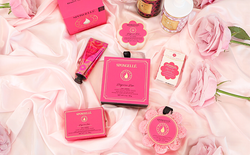
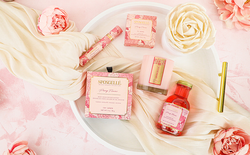
At Spongellé, the pleasure of the ritual is part of the point: a cleansing, exfoliating, fragrance-filled moment that makes consistent body care feel less like another task and more like a treat you look forward to.
When Dry Skin Needs More Than a Routine
Most dryness improves with gentler cleansing, thoughtful exfoliation, and consistent moisturizing. Still, very itchy skin, deep cracks, bleeding, swelling, painful rashes, or patches that do not improve may need guidance from a dermatologist. Conditions such as eczema, psoriasis, allergies, and contact dermatitis can look like ordinary dryness at first, and they benefit from a more specific plan.
You do not have to earn softness through an elaborate routine. Let your shower be warm, your exfoliation be gentle, and your moisturizer be generous. When every step feels good enough to repeat, comfort becomes part of the ritual.