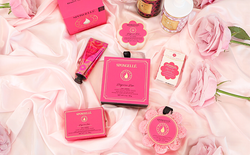
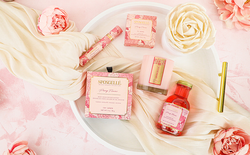





Some showers are purely functional. Others feel like ten minutes you actually get back. If you’ve been wondering how to use shower buffers so they feel less like another body-care step and more like a small daily luxury, the difference usually comes down to technique.
A shower buffer is designed to do more than cleanse. It combines body wash, exfoliation, and fragrance in one easy step, which is exactly why it has become a favorite for people who want polished skin without turning their routine into a project. Used well, it leaves skin feeling smooth, refreshed, and lightly scented. Used too aggressively, it can feel like overdoing a good thing.
What a shower buffer actually does
At its core, a shower buffer is an infused sponge or body buffer that releases cleanser and fragrance when wet while providing gentle exfoliation. That means you are cleansing away daily buildup, smoothing rough patches, and enjoying a more elevated sensory experience at the same time.
This all-in-one format is part of the appeal. Instead of juggling a scrub, body wash, and loofah, you get a streamlined ritual that still feels indulgent. For busy mornings, travel, post-gym showers, or evenings when you want your routine to feel a little more special, that convenience matters.
Still, not every shower should feel exactly the same. If your skin is feeling sensitive, recently shaved, or a little dry, the amount of pressure and the areas you focus on should change. The best results come from treating the buffer like a smart body-care tool, not a scouring pad.
How to use shower buffers step by step
Start by fully wetting the buffer under warm water. Give it a few squeezes to activate the cleanser inside. As the product absorbs water, it will begin to soften and build lather.
Once it feels saturated, gently squeeze again to release more foam. You do not need to add extra body wash. The whole point is that the cleanser is already infused into the buffer, so the lather should come directly from the sponge itself.
Massage it over your body using circular motions. Begin with areas that benefit from light exfoliation, like arms, legs, shoulders, and the back of the body. Let the texture of the buffer do the work. A gentle, even pressure is usually enough to cleanse and polish the skin without causing irritation.
If you want a little more exfoliation, spend a bit more time on rougher spots like elbows, knees, and heels. That said, more time does not always mean better results. Two or three extra passes are often plenty. Scrubbing too hard can leave skin feeling stripped rather than smooth.
Rinse your skin well once you’re done. You’ll likely notice that your body feels clean, soft, and lightly fragranced without the residue that some heavy scrubs leave behind.
After use, rinse the buffer itself thoroughly to remove any leftover suds, then squeeze out excess water. Hang it or store it in a spot where it can dry between showers. That simple step helps preserve the buffer and keeps the experience feeling fresh every time.
The right pressure makes all the difference
If there is one mistake people make when learning how to use shower buffers, it is assuming they need to scrub hard to get results. You really do not. A good body buffer is meant to deliver gentle exfoliation with consistent texture and cleanser release, not with force.
Think polished, not punished. If your skin turns bright red or feels tender afterward, scale back. Lighter pressure, especially at first, gives you a better sense of how your skin responds.
This matters even more in colder months, when skin tends to be drier, or after sun exposure, when skin may already feel a little stressed. In those moments, use the soft lather and skip extra friction. You can still enjoy the cleansing and fragrance benefits without pushing exfoliation too far.
Where to use it and where to be careful
Shower buffers are ideal for most areas of the body, but some zones need a softer approach. Arms, legs, shoulders, and feet are usually fair game. Elbows and knees can handle slightly more attention if they tend to be rough.
Use more care around the chest, neck, and any area where your skin is thinner or more reactive. If you’ve shaved recently, especially underarms or legs, wait and see how your skin feels before going in with exfoliation. Freshly shaved skin can be more vulnerable to stinging or irritation.
You should also avoid using a body buffer on broken skin, active irritation, or sunburn. If your skin barrier is already compromised, cleansing gently with your hands is the better move until things calm down.
How often should you use a shower buffer?
It depends on your skin type, the texture of the buffer, and the season. For many people, a few times a week is the sweet spot for maintaining smooth skin. Others prefer daily use, especially if the exfoliation is on the gentler side and their skin tolerates it well.
If your skin is normal to oily, you may enjoy more frequent use. If your skin runs dry or sensitive, every other day or a few times a week may feel better. There is no prize for pushing through irritation. The most luxurious routine is the one your skin actually likes.
A simple rule works well here. If your skin feels soft, comfortable, and balanced afterward, your frequency is probably right. If it starts feeling tight, itchy, or overly shiny in a dry way, cut back and follow with a moisturizer.
How to make your shower buffer last longer
A shower buffer is designed for repeated use, but how you care for it affects how long it performs at its best. The first key is storage. Leaving it in standing water or on a constantly soaked shower shelf can wear it down faster.
Instead, rinse it clean after each use, squeeze out the extra water, and let it dry in a ventilated area. That helps maintain its texture and keeps the cleanser inside from dissolving too quickly.
The second key is using the right amount of water. You want the buffer wet enough to activate a rich lather, but not left under the stream longer than necessary. Over-saturating it every time can shorten its lifespan.
The third key is pressure. Gentle circular motions preserve the sponge better than aggressive scrubbing. Better for the product, better for your skin.
A few mistakes to avoid
If your first experience with a shower buffer feels underwhelming, it is often because of one small habit. Sometimes people do not wet it enough to activate the cleanser properly. Other times they rinse it too briefly after use and leave behind product buildup.
Another common mistake is expecting the same experience on every part of the body. Rough areas like heels may need a little extra attention, while delicate zones need restraint. Your routine should be tailored, not automatic.
It is also easy to forget the finishing step. Exfoliation and cleansing can leave skin beautifully prepped, but applying body lotion or moisturizer afterward can make the softness last even longer. If you want that fresh-from-the-spa feeling, hydration is what completes it.
Turning a quick shower into a better ritual
Learning how to use shower buffers is not complicated, but the payoff feels surprisingly elevated. Warm water, a rich lather, a polished finish, and a fragrance that lingers just enough can make an ordinary shower feel much more intentional.
That is why this format works so well for everyday self-care and gifting alike. It offers convenience without sacrificing the indulgent part. Spongellé helped make this kind of all-in-one body ritual feel iconic for exactly that reason - it simplifies the routine while still delivering the kind of sensorial experience people actually look forward to.
If you want the best results, keep it simple. Wet the buffer well, build the lather, use gentle circular motions, give rough spots a little extra attention, and let it dry properly between uses. Small adjustments change the whole experience.
The nicest body-care products are not always the ones that ask for more time. Often, they are the ones that make your regular routine feel more beautiful without asking you to work harder.