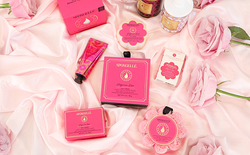
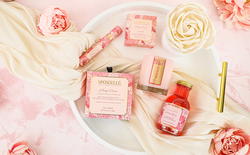





Your skin should feel touchably soft after a bath ritual, not tight, stingy, or as though it needs to recover. Finding the right body exfoliation frequency is less about following a rigid calendar and more about noticing what your skin loves. The goal is a polished, radiant feel that makes slipping into lotion, fragrance, or your favorite pajamas feel even more indulgent.
Body Exfoliation Frequency Depends on Your Skin
For most people, exfoliating the body two to three times a week is a beautiful place to begin. This is often enough to sweep away dull, dry surface cells and support a smoother look without asking too much of the skin barrier. If your skin is naturally dry, reactive, or prone to irritation, once a week may be your sweet spot. If it is resilient and you enjoy a gentle exfoliating cleanser, you may be comfortable with more frequent use.
There is no prize for exfoliating every day. Skin renews itself on its own, and too much friction can leave it looking red, feeling rough, or becoming unexpectedly sensitive to products you normally enjoy. Think of exfoliation as a finishing touch in your body care ritual, not a step that has to be pushed harder to work better.
Your ideal schedule can also shift with the season. Winter weather, indoor heat, and long hot showers can make skin more prone to dryness, so a lighter touch is often best. In warmer months, when sunscreen, sweat, and bare-leg season are in rotation, a consistent gentle routine may feel especially satisfying.
Start With the Kind of Exfoliation You Use
Not every exfoliating experience feels the same on skin. Physical exfoliation uses texture or gentle buffing to lift surface buildup. It can be wonderfully immediate, especially when paired with a creamy cleanser and a fragrance you look forward to. The key is pressure: let the product do the work instead of scrubbing aggressively.
Chemical exfoliants use ingredients such as alpha hydroxy acids, beta hydroxy acids, or urea to help loosen dead skin cells. These formulas can be helpful for concerns like rough bumps, uneven texture, or ingrown hairs, but they may call for a more measured schedule. Start once or twice weekly, particularly if you are new to body acids, and avoid layering several strong exfoliating products in one routine.
A cleansing buffer offers a practical middle ground for many bath lovers. With built-in body wash and a gentle textured surface, it turns cleansing and light buffing into one easy moment of care. A Spongellé buffer can be used with a soft hand and plenty of water to keep the ritual sensorial rather than overly vigorous.
How to Tell Whether You Need More or Less
Your skin gives clear feedback when you know what to look for. If it feels soft, comfortable, and receptive to moisturizer, your routine is likely working. If body lotion sinks in more smoothly and your skin has a fresh-looking glow, that is another encouraging sign.
Scale back when you notice persistent redness, burning, itchiness, flaking that seems worse than before, or skin that feels squeaky after bathing. That squeaky-clean feeling is not a luxury signal. It can mean you have removed too much of the skin's protective oil and need to bring back gentler cleansing and richer moisture.
On the other hand, a gradual increase may make sense if your skin feels dull or rough between rituals and you are currently exfoliating only occasionally. Add one session a week, then give your skin at least two weeks to respond. Changes in body care work best when they are unhurried.
Adjust Your Routine by Body Area
The body is not one uniform canvas. Elbows, knees, heels, and the backs of upper arms tend to be thicker or rougher and may welcome a little more attention. Use gentle circular motions here, then follow with a nourishing lotion or body butter while skin is still slightly damp.
The chest, neck, bikini area, and underarms are more delicate. These areas benefit from a lighter hand, fewer exfoliating sessions, and simple, comforting moisture afterward. Never exfoliate freshly shaved, waxed, sunburned, broken, or visibly irritated skin. Give it time to settle first.
If you deal with ingrown hairs, exfoliating can be useful, but timing matters. Avoid intense buffing right before hair removal. Instead, gently exfoliate a day or two before shaving, use a clean sharp razor with a lubricating product, and moisturize after. For frequent or painful ingrowns, a dermatologist can help you build a targeted plan.
A Luxurious Weekly Rhythm
A thoughtful routine keeps exfoliation effective without turning it into another chore. Choose two or three bathing moments each week when you have time to slow down. Let warm water soften the skin for a few minutes, then use your exfoliating product with light pressure, moving from the feet upward in relaxed, circular motions.
Rinse thoroughly and pat, rather than rub, your skin dry. Follow promptly with a lotion, oil, or moisturizer that seals in comfort. This final step matters as much as the exfoliation itself. Freshly exfoliated skin can feel exquisitely smooth, but it also benefits from replenishing ingredients that help it stay that way.
On non-exfoliating days, keep the ritual simple: cleanse gently, moisturize, and enjoy your fragrance. This rhythm leaves room for both results and pleasure. It also makes a beautiful giftable body care set feel like something to savor instead of something to use up too quickly.
Pair Exfoliation With Smart Sun Care
Smoother skin deserves protection. Exfoliation can make the surface of the skin feel fresh and renewed, but it does not replace daily sunscreen on areas exposed to daylight. Apply broad-spectrum SPF 30 or higher to the arms, chest, shoulders, legs, and any other exposed skin, especially after using chemical exfoliants.
Be extra mindful before a beach day, outdoor event, or vacation. If your skin tends to react to sun or you are trying a new acid-based product, skip exfoliation for a few days beforehand. The glow you want is comfortable, healthy-looking skin, not a temporary shine followed by sensitivity.
When to Pause and Ask an Expert
Exfoliation is best saved for calm, intact skin. Pause if you are experiencing eczema flares, psoriasis irritation, unexplained rashes, active infection, severe dryness, or a reaction to a new product. Prescription retinoids and certain acne treatments can also increase sensitivity, so it is wise to ask a dermatologist how they fit with your body care routine.
The same goes for pregnancy, postpartum changes, and major shifts in your skin. You do not need to abandon the pleasure of a warm bath and beautiful fragrance. You may simply need a softer texture, a less frequent schedule, or a richer moisturizer while your skin's needs evolve.
The most luxurious body exfoliation frequency is the one that leaves you feeling cared for, never overworked. Let your skin set the pace, keep your touch gentle, and make each bath a small appointment with softness.