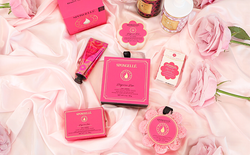
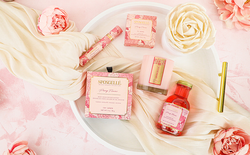





The difference between a quick shower and a genuinely restorative ritual can be as simple as what happens after the water warms up. This guide to shower exfoliation brings intention to that in-between moment, when you can smooth away surface buildup, enjoy a favorite fragrance, and step out feeling polished rather than rushed.
Exfoliation is not about scrubbing harder or chasing perfectly smooth skin. Done thoughtfully, it is a comfortable, feel-good part of body care that can leave skin looking refreshed and create a beautiful canvas for moisturizer, body oil, and fragrance. The secret is choosing the right method, using a gentle hand, and letting your skin set the pace.
Why shower exfoliation earns a place in your ritual
Skin naturally sheds dead cells, but some can linger at the surface. That can make areas such as elbows, knees, ankles, and the backs of arms feel rough or look a little dull. A shower exfoliant helps lift that surface buildup while water softens the skin, so your body care feels more effective and your skin feels touchably smooth.
There is a practical benefit, too. Exfoliating before applying lotion can help the product spread more evenly, especially on dry-prone areas. If you use self-tanner, a gentle exfoliation session beforehand can support a more even-looking result. It can also be a small act of reset after a workout, a long travel day, or a week that has asked a lot of you.
Still, more is not always better. Your body needs some natural oils and a healthy skin barrier to feel comfortable. The goal is a soft glow and a silky finish, never a tight, stinging, or overly scrubbed feeling.
A guide to shower exfoliation, step by step
A great exfoliation routine does not need a shelf full of products or extra time you do not have. Start with warm water and give yourself a minute or two before exfoliating. This softens the outermost layer of skin and makes a gentle touch more effective. Very hot water can leave skin feeling dry, so keep the temperature comfortably warm rather than steamy.
Choose your exfoliation style
Physical exfoliation uses texture to buff the skin. Think body scrubs, textured washcloths, exfoliating gloves, brushes, and body buffers. These are especially satisfying for an at-home spa moment because you can feel the smoothing effect as you go. A cleansing body buffer offers an easy all-in-one option: lather, cleanse, exfoliate, rinse, and enjoy the lingering scent without adding another step to the shower ledge.
Chemical exfoliation uses ingredients such as lactic acid, glycolic acid, salicylic acid, or urea to loosen dead skin cells. These are often found in body washes, serums, and lotions. They can be a helpful choice for concerns like bumpy texture or ingrown hairs, but they call for a lighter touch and closer attention to directions. If you are new to acids, do not use them on the same day as an intense scrub.
Which is best depends on your skin and your preferences. Someone who loves a fragrant, tactile shower ritual may reach for a buffer once or twice a week. Someone managing persistent roughness or body breakouts may prefer an acid-based body product, ideally introduced gradually. You can use both approaches in your routine, just not all at once.
Work from shoulders to heels with light pressure
Once your exfoliating product is ready, use circular motions and light-to-medium pressure. Start at the shoulders and move down the arms, torso, hips, legs, and feet. You do not need to go over each spot repeatedly. A few unhurried passes are enough.
Give naturally rough areas a little extra attention: elbows, knees, heels, and the outer upper arms. Keep pressure especially gentle on the chest, neck, and décolletage, where skin can be more delicate. Skip any area that is sunburned, freshly shaved, irritated, broken, or healing.
If you are using a body buffer, squeeze it under the water until it expands and build a creamy lather between your hands. Let the texture do the work. The most luxurious ritual is often the simplest one: warm water, a soft foam, a scent that suits your mood, and a minute that belongs entirely to you.
Rinse thoroughly and pat dry
Rinse away exfoliating particles and cleanser with lukewarm water. Rather than rubbing your body dry with a towel, pat skin until it is damp but no longer dripping. That little bit of remaining moisture is your cue to moisturize.
Apply body lotion, cream, or oil within a few minutes of stepping out. Moisturizer helps replenish the comfort exfoliation can temporarily remove, and it gives newly smoothed skin a plush, conditioned finish. On very dry areas, layer a richer cream over lotion or concentrate your body oil on legs, elbows, and feet.
How often should you exfoliate in the shower?
For most people, one to three times a week is a comfortable place to begin. If your skin is dry, sensitive, or prone to eczema, once weekly may be plenty. If you have oilier, resilient skin or spend time in humid weather, you may enjoy gentle physical exfoliation two or three times a week.
Frequency also depends on the formula and tool. A soft, cushioned buffer used with a light hand is different from a coarse salt scrub or firm dry brush. Chemical exfoliants have their own guidelines, and some are designed for more frequent use. Follow the label, then adjust based on how your skin responds.
Shaving can change the schedule, too. Exfoliate the day before shaving if you are prone to ingrown hairs, or use a very gentle method after shaving only once skin feels calm. Avoid strong acids, gritty scrubs, and vigorous friction immediately after hair removal, when skin may be more vulnerable to irritation.
Signs you may be exfoliating too much
Silky skin should feel comfortable. If your skin starts to feel tender, itchy, unusually dry, or sensitive when you apply products, take a break. Visible redness, flaking, and a stinging sensation are also signs to pause exfoliation and focus on simple, fragrance-free hydration until your skin feels settled.
Overexfoliation can happen when several active products overlap. For example, an exfoliating body wash, a scrub, and an acid lotion may sound like a high-performance routine, but together they can be too much. Choose one exfoliating step for that day, then follow it with nourishing moisture.
If you have a skin condition, are using prescription treatments, or experience ongoing irritation, a dermatologist can help you choose a routine that supports your specific needs.
Make the ritual feel more indulgent
The best shower routine is one you look forward to repeating. Keep your chosen exfoliator where you can reach it easily, and pair it with a scent that matches the moment: bright citrus for an energizing morning, soft florals for a slow evening, or a warm gourmand fragrance when you want comfort.
Spongellé body buffers are designed for this kind of effortless elevation, combining cleansing, exfoliation, and fragrance in one giftable ritual. Whether you are refreshing your own routine or putting together a thoughtful self-care present, a beautifully scented bath essential turns an everyday need into a small luxury.
Save your fuller exfoliation ritual for the days when you have a few extra minutes, then let simple cleansing and moisturizing carry you through the rest of the week. Your shower does not need to be elaborate to feel special. A gentle buff, a fragrance you love, and soft skin beneath your favorite robe can be more than enough.