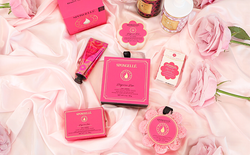






A silky lotion can make skin feel beautiful, but it cannot always smooth away the dry, dull layer sitting at the surface. So, is body exfoliation necessary? Not for every person, every day, or every inch of the body. But when it is done gently and at the right frequency, exfoliation can be the small ritual that helps skin feel softer, look more radiant, and hold onto moisture more comfortably.
The goal is not to scrub until skin feels squeaky or stripped. Think of body exfoliation as a polished finishing touch for your shower routine: a moment of renewal that leaves room for fragrance, moisture, and a little everyday luxury.
What Body Exfoliation Actually Does
Your skin naturally sheds dead cells all the time. Sometimes, though, those cells linger at the surface, especially on areas that tend to be drier or rougher, such as elbows, knees, heels, and the backs of the arms. This buildup can make skin feel uneven, look ashy, or leave moisturizer sitting on top instead of sinking in as nicely as you would like.
Body exfoliation helps lift away some of that surface buildup. Physical exfoliation uses gentle texture or tools, while chemical exfoliation uses ingredients such as alpha hydroxy acids, beta hydroxy acids, or urea to loosen dead skin cells. Both approaches can be effective. The best choice depends on how sensitive your skin is, what concerns you have, and whether you enjoy a hands-on shower ritual or prefer a leave-on treatment.
For many people, the immediate payoff is simple: smoother-feeling skin. Over time, thoughtfully exfoliating may also improve the look of rough patches and help create a more even canvas for body lotion, self-tanner, and fragrance.
Is Body Exfoliation Necessary for Everyone?
No. Exfoliation is a nice-to-have step, not a requirement for healthy skin. Your skin has its own renewal process, and a basic routine of gentle cleansing, moisturizing, and daily sun protection for exposed areas can be enough.
Still, it can be particularly useful if your skin often feels rough, flaky, congested, or dull. It is also a popular prep step before shaving, applying self-tanner, or slipping into an outfit that calls for bare shoulders and polished legs. The key is to treat it as supportive care, not a daily test of how much friction your skin can handle.
If you have very dry, reactive, eczema-prone, or sunburned skin, exfoliation may need to be less frequent or skipped during a flare. The same goes for freshly shaved, waxed, or irritated skin. When in doubt, choose comfort over intensity. Skin that stings, burns, or turns persistently red is asking for a break.
The Benefits of a Gentle Body Exfoliation Ritual
The right exfoliation routine can do more than make skin feel smooth for an afternoon. By clearing away loose surface cells, it can help moisturizer apply more evenly, which is especially welcome during cold weather, after travel, or whenever skin is feeling parched.
There is a sensory benefit, too. A warm shower, a creamy cleanser, an uplifting fragrance, and a little massage can turn an ordinary rinse into a reset. For those who want elevated body care without crowding the shower shelf, a cleansing buffer that combines wash, exfoliation, and fragrance offers an easy way to make that ritual feel special.
Exfoliation can also help with the look of certain common texture concerns, including keratosis pilaris, often called “chicken skin.” It will not erase the condition overnight, and aggressive scrubbing can make it worse. But a gentle, consistent approach paired with rich hydration may help soften its appearance over time.
How Often Should You Exfoliate Your Body?
For most people, once or twice a week is a comfortable starting point. This is enough to refresh the feel of skin without constantly disrupting its protective barrier. If your skin is resilient and you use a very soft exfoliating buffer, you may be able to exfoliate more often. If your skin is dry or sensitive, once every week or two may be plenty.
Your body does not need the same treatment everywhere. Heels, knees, and elbows often tolerate more attention than the chest, neck, or bikini line. Let each area guide you. A rough heel may appreciate a little extra care, while easily irritated areas benefit from a lighter touch and fewer passes.
Season matters as well. In summer, sweat, sunscreen, and self-tanner may make you want a regular exfoliation rhythm. In winter, indoor heat and dry air can make skin more vulnerable, so it may be wiser to scale back and focus on replenishing moisture. There is no prize for following a rigid schedule. The most effective routine is the one your skin enjoys.
Signs You May Be Exfoliating Too Much
Over-exfoliation can feel deceptively similar to dryness at first, which leads some people to scrub even more. Watch for tightness, itching, flaking that worsens after bathing, tenderness, redness, or a shiny, overly sensitive look. These are signs to pause exfoliation and simplify your routine.
Use a mild cleanser, apply a nourishing body moisturizer while skin is still slightly damp, and give your skin time to settle. Once it feels calm again, reintroduce exfoliation slowly. Gentle pressure is enough. You never need to scrub hard to get a satisfying result.
Physical vs. Chemical Exfoliation: Which Is Right for You?
Physical exfoliation is ideal for someone who loves an immediate, spa-like smoothness in the shower. It includes body buffers, soft exfoliating mitts, washcloths, and fine-particle scrubs. The best physical exfoliants feel cushioned rather than sharp. Avoid rough, jagged scrubs or tools that leave skin feeling raw.
Chemical exfoliation may be a better fit for persistent bumps, ingrown hairs, or rough texture that does not respond well to manual exfoliation. Lotions and treatments containing lactic acid, glycolic acid, salicylic acid, or urea can work gradually without scrubbing. Because these ingredients can be active, start slowly and avoid layering them with other potentially irritating treatments.
You can use both methods in the same overall routine, but restraint matters. For example, a gentle body buffer once a week and an acid-based body lotion on separate days may suit some skin types. Using every exfoliating product at once is more likely to cause irritation than glow.
How to Exfoliate Without Compromising Your Skin Barrier
Start in warm, not hot, water. Hot showers can leave skin drier and more reactive, especially when paired with friction. If you use a buffer or scrub, let water and cleanser provide slip, then use light, circular motions. Focus on rough zones rather than treating the entire body like a polishing project.
Rinse thoroughly and follow with moisturizer before your skin is completely dry. This is where the ritual becomes especially rewarding: smooth skin, a lingering scent you love, and a nourishing finish that makes getting dressed feel a little more indulgent.
If you shave, exfoliate at a separate time if your skin is easily irritated. A gentle exfoliation before shaving can help create a smoother surface, but combining strong pressure, a fresh razor, and active acids in one session can be too much. Give your skin a little breathing room.
A More Beautiful Way to Think About Body Care
Body exfoliation does not need to be another rule in a long beauty checklist. It can be a flexible ritual for the days your skin wants extra softness, your mood calls for a favorite fragrance, or you simply want your shower to feel less rushed.
Choose gentle texture, follow it with generous hydration, and let comfort be your measure of success. A beautifully cared-for body is not one that has been scrubbed into submission. It is skin that feels calm, smooth, and ready to be enjoyed.