




Cold air outside, overheated rooms inside, and one too many hand washes can leave skin feeling tight before lunchtime. The best products for dry hands do more than sit on the surface with a quick hit of moisture. They cushion compromised skin, help hold water in, and make the few minutes you spend caring for your hands feel beautifully restorative.
Dry hands are rarely just a winter concern. Sanitizer, dishwashing, gardening, frequent travel, and daily showers can all wear down the skin’s protective barrier. The right formula depends on whether your hands feel merely thirsty, visibly flaky, rough around the cuticles, or uncomfortably cracked. A thoughtful hand-care ritual lets you choose comfort without sacrificing the fragrance, texture, and little luxury that make self-care worth repeating.
What Dry Hands Actually Need
Skin needs two things after it has been stripped or stressed: water and a way to keep that water from escaping. That is why the most satisfying hand products blend humectants, emollients, and occlusive ingredients rather than relying on one alone.
Humectants, such as glycerin and hyaluronic acid, draw moisture toward the skin. Emollients, including shea butter, plant oils, and ceramides, soften the rough texture that makes hands catch on knitwear. Occlusives, like petrolatum, dimethicone, and waxes, create a protective finish that slows moisture loss. You do not need to memorize every label, but this simple trio explains why a richer cream can feel so much more effective than a lightweight lotion when your hands are seriously parched.
Fragrance is personal, especially when hands are dry or sensitive. A delicately scented cream can turn every application into a small sensory escape, while a fragrance-free formula may be the better choice for reactive skin, eczema-prone hands, or a compromised barrier. There is no wrong answer. It depends on what your skin tolerates and what makes you want to use the product consistently.
The Best Products for Dry Hands by Need
For everyday softness: a nourishing hand cream
A well-made hand cream is the essential starting point. Look for a creamy formula with shea butter, glycerin, squalane, ceramides, or nourishing botanical oils. It should absorb without leaving your phone, steering wheel, or coffee cup feeling slick.
For hands that are dry but not cracked, a medium-rich cream applied after washing is often enough. Keep one by the sink, one in your work bag, and one on your nightstand. That is not excess - it is a simple way to make the ritual effortless. The best cream is the one within reach when your hands need it.
For very dry skin: a balm or intensive salve
When regular cream disappears almost immediately, switch to a balm. These richer formulas typically contain more protective oils, butters, and occlusive ingredients, creating a comforting layer that stays put longer. They are especially helpful after cleaning, cold-weather walks, or any task that leaves your hands feeling raw.
A balm may feel too rich for keyboard time, but that is part of the trade-off. Save it for the evening, wear it while relaxing, or massage it into knuckles and cuticles where dryness tends to linger. A small amount is usually plenty, warmed between the palms before pressing it into the skin.
For overnight repair: a hand mask or treatment gloves
Nighttime is the ideal moment for a more decadent treatment. An overnight hand mask, intensive cream, or a layer of balm beneath soft cotton gloves gives the formula time to work without being rinsed away. By morning, hands often feel noticeably smoother and more comfortable.
This is also a smart option for people who wash their hands frequently during the day and cannot tolerate a heavy finish between tasks. Think of it as the spa step that carries the routine when daytime application has to stay light.
For rough cuticles: a dedicated nail and cuticle oil
Dry hands often announce themselves first around the nails. Hangnails, dull cuticles, and little splits at the fingertips can make even freshly moisturized hands look neglected. A cuticle oil with lightweight conditioning oils helps soften this delicate area and encourages a polished, cared-for look.
Brush or roll on a small amount, then massage it into each nail bed for a minute. Use it after a shower or before bed, when the skin is already softened. If you wear polish or enjoy at-home manicures, this is one of the most rewarding finishing touches in the entire routine.
For hardworking hands: a gentle hand wash
Sometimes the best product is the one you stop using. Very hot water and harsh, heavily stripping soaps can make dryness harder to manage, no matter how luxurious your hand cream is. Choose a gentle hand wash that cleans without leaving skin squeaky, tight, or uncomfortable.
The goal is not to avoid washing your hands. It is to follow cleansing with moisture while your skin is still slightly damp. Pat dry instead of rubbing aggressively, then apply cream within a minute or two. This small shift helps trap the water already on the surface of your skin.
Build a Hand-Care Ritual That Fits Real Life
A beautiful routine does not need seven steps. For most people, a gentle hand wash and a nourishing cream after washing will make the biggest difference. Add a richer balm at night if dryness persists, and use cuticle oil whenever your nails need a little attention.
If you love a more elevated moment, pair your hand care with the end of your shower or bath ritual. After patting skin dry, smooth a luxe hand cream from wrists to fingertips, paying extra attention to knuckles and the webbing between fingers. A fragrance you genuinely love makes this pause feel less like upkeep and more like a daily indulgence.
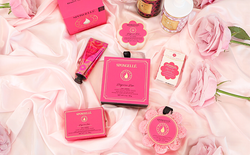
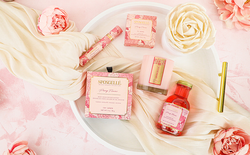
Spongellé makes that kind of ritual easy to enjoy: treat hand care as part of the same sensorial experience as your favorite body cleanser, body buffer, and moisturizer. The result is a coordinated moment of softness, scent, and care rather than another item on a rushed to-do list.
How to Choose Without Overbuying
Start with the condition of your skin, then consider when and where you will use the product. A fast-absorbing cream suits office drawers, handbags, and daytime reapplication. A dense balm belongs by the bed or beside the couch. A hand mask is a wonderful once- or twice-weekly reset, especially during winter or after travel.
Texture matters as much as ingredients. If a formula feels greasy to you, you will probably avoid it during the day, even if it is technically excellent. If a lotion feels too thin, it may be better for warmer months or hands that only need light hydration. Build around products you will enjoy reaching for.
Pay attention to irritation as well. If hands sting after applying scented products, look for a simpler, fragrance-free treatment until the skin calms down. Persistent cracking, bleeding, swelling, or a rash deserves guidance from a dermatologist, particularly if over-the-counter care is not helping.
Small Habits That Keep Hands Softer
Hand cream works harder when it has a little support. Wear gloves for dishes and household cleaning, keep water comfortably warm rather than hot, and apply moisturizer after every wash when possible. Before heading outside in cold, windy weather, add a richer layer and slip on gloves to protect your hands from the elements.
Do not forget sunscreen on the backs of your hands during the day. Sun exposure can contribute to dryness and visible signs of aging, and this often-overlooked area gets plenty of incidental light while driving, walking, and running errands.
Your hands do a remarkable amount for you, often without a second thought. Give them a formula that feels wonderful, a minute of attention, and the permission to make an ordinary moment feel a little more pampered.