




Your feet usually get attention when something feels off - dry heels catching on sheets, rough spots in sandals, or that tired, heavy feeling after a long day. A good guide to home foot care is less about adding another complicated step and more about turning a neglected routine into a quick, satisfying ritual that leaves skin softer, smoother, and far more comfortable.
The best part is that effective foot care at home does not need a drawer full of tools or a full spa appointment on your calendar. What it does need is consistency, the right level of exfoliation, and moisture that actually stays put. When those three pieces work together, feet start to look better, feel better, and require less effort over time.
Why a guide to home foot care matters
Feet handle a lot. They absorb pressure, spend hours inside shoes, and deal with friction that other areas of skin simply do not. That is why they tend to develop thicker, rougher texture, especially around the heels, balls of the feet, and sides of the toes.
The tricky part is that many people swing between two extremes. They either ignore their feet until the dryness becomes obvious, or they overdo it with aggressive filing and harsh scrubs. Neither approach gives the best results. Neglect allows buildup to harden. Over-exfoliating can leave skin tender, irritated, and more reactive.
A more luxurious and practical approach is to treat foot care as maintenance, not damage control. Think of it as part of your body routine, just with formulas and textures that work harder where skin is naturally thicker.
Start with clean, softened skin
The ideal moment for foot care is after a shower or bath, when skin is clean and slightly softened. That timing makes exfoliation more effective and moisturizing products easier to absorb. It also turns the routine into something that feels indulgent instead of clinical.
If your feet are especially dry, a quick soak can help, but longer is not always better. Ten minutes in warm water is usually enough. Soaking for too long can leave skin waterlogged and make it harder to judge how much exfoliation you actually need.
This is where texture matters. A gentle cleansing buffer or body wash paired with light exfoliation can refresh the skin without stripping it. If you already love a sensory bath ritual, foot care fits naturally at the end, when your skin is warm, relaxed, and ready for a finishing treatment.
Exfoliation: enough to smooth, not enough to irritate
Exfoliation is what most people think of first, and for good reason. It is the fastest way to improve rough texture. But the goal is not to remove every bit of thickness in one session. Healthy feet need some natural protection, especially if you spend a lot of time walking, standing, or wearing open-back shoes.
Use a foot file, pumice, or exfoliating buffer on areas that feel rough rather than on the entire foot with equal pressure. Heels and pressure points typically need the most attention. The top of the foot and delicate skin around the toes usually need very little.
If your skin is mildly dry, once or twice a week may be enough. If your heels are visibly cracked or heavily callused, you may need a few shorter sessions spread across two weeks rather than one intense scrub. That gentler rhythm tends to leave skin smoother and more comfortable.
What you should avoid is treating pain as proof that a product is working. If skin feels hot, stings, or looks raw, you have gone too far. Softer feet come from steady care, not force.
How to tell what your feet actually need
Dry, flaky feet usually respond well to exfoliation plus a rich cream. Thick yellowish calluses from pressure may need more targeted filing and better daily moisture. If you notice deep cracks, bleeding, swelling, or ongoing discomfort, that moves beyond cosmetic care and deserves professional attention.
It also depends on season and lifestyle. Summer sandals often mean more visible dryness but less trapped moisture. Winter boots can create friction and sweat at the same time. A home routine should flex with what your feet are dealing with right now, not what they needed three months ago.
Moisture is where the real transformation happens
If exfoliation gets all the credit, moisturizing does most of the long-term work. Once rough buildup is reduced, feet need emollients and occlusive ingredients to soften skin and help prevent new dryness from forming so quickly.
A lightweight lotion can feel elegant, but on very dry heels it may not be enough. Foot creams, balms, and richer moisturizers usually perform better because they are designed to stay on thicker skin. Apply generously to heels, soles, and around the toes, then let the product settle before walking around.
At night, moisture works even harder. A richer layer of cream before bed, especially with soft socks, creates a simple overnight treatment that feels polished but effortless. This is often the step that makes feet look noticeably smoother within days.
For daytime, texture preference matters. If you dislike anything greasy, use a fast-absorbing moisturizer in the morning and save the richer formula for evening. The best routine is one you will actually keep.
The easiest home foot care routine to maintain
A strong guide to home foot care should feel realistic. You do not need a twelve-step regimen. You need a rhythm that fits into your week without becoming a chore.
For most people, a simple pattern works beautifully. Cleanse feet daily in the shower, paying attention to the spaces between the toes. Exfoliate one to two times a week depending on roughness. Moisturize every day, with a richer layer at night if heels tend to dry out quickly.
That routine can take less than ten minutes most days. The payoff is cumulative. When feet stay consistently hydrated, they need less dramatic rescue work later. That is the kind of luxury that feels especially satisfying - visible results without unnecessary effort.
Do not forget nails, cuticles, and the spaces in between
Beautiful foot care is not only about heels. Nails, cuticles, and the skin between the toes affect both comfort and appearance. Keep nails trimmed straight across rather than overly rounded, which can reduce the chance of painful edges. Cuticles should be softened and moisturized, not aggressively cut back.
The spaces between toes deserve special attention after bathing. Dampness trapped there can lead to irritation. Dry thoroughly before applying cream, and keep heavier products mostly on the tops, soles, and heels rather than packed between the toes.
If you polish your nails, give them occasional breaks. If you prefer a clean natural finish, a buffed nail and conditioned cuticle can look just as refined.
Choosing products that feel indulgent and practical
Foot care works best when it feels good enough to repeat. Fragrance, texture, and ease all matter. A formula that smells beautiful and fits into your shower routine is more likely to become part of your week than a product that feels like a specialty chore.
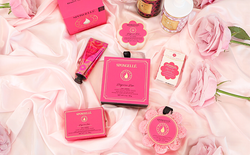
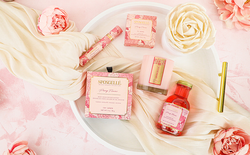
That is why all-in-one formats can be especially appealing. A cleansing and exfoliating step in one product keeps the ritual streamlined while still feeling elevated. For shoppers who want at-home spa energy without a crowded routine, that balance is ideal. Spongellé makes this kind of ritual feel especially polished by pairing body care performance with a more luxurious sensory experience.
There is still a trade-off to keep in mind. Strong exfoliation tools may deliver faster smoothing, while gentler options are easier to use consistently. Rich balms can repair stubborn dryness, while lighter creams feel more wearable during the day. The right choice depends on your skin, your schedule, and how much upkeep you want between deeper treatments.
When home care is enough, and when it is not
Most routine dryness and roughness can absolutely be managed at home. That includes mild calluses, seasonal flaking, and everyday fatigue. But there are times when a beauty ritual should make room for expert care.
If you have painful cracks, discoloration that does not improve, thickened nails, signs of infection, or medical conditions that affect circulation or sensation, home care should stay gentle and supportive. In those cases, a professional assessment matters more than a stronger scrub.
There is no glamour in pushing through discomfort. The most refined self-care routine is one that knows its limits.
Make foot care part of the ritual, not an afterthought
The secret to softer feet is not a dramatic once-a-month reset. It is attaching foot care to something you already enjoy - a warm shower, an evening wind-down, a Sunday reset, or a pre-pedicure ritual before an event. Once it becomes part of that rhythm, it stops feeling optional.
That shift changes everything. Instead of waiting until your heels feel rough, you maintain comfort and smoothness as you go. Your products feel more rewarding. Your routine feels more complete. And your feet finally get the same polished attention as the rest of your body care.
A beautiful home foot care routine does not need to be elaborate to feel luxurious. When cleansing, exfoliation, and moisture are done with intention, even a few minutes can leave you feeling more put together from the ground up.