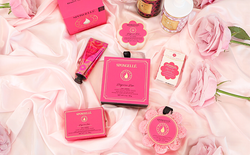
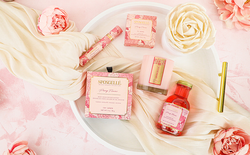





Silky skin rarely comes from piling on more lotion. More often, it starts with what you remove. This guide to exfoliating body care is about getting that polished, touchably soft finish without pushing your skin past its comfort zone.
Done well, exfoliation makes body care feel instantly more luxurious. Skin looks brighter, texture feels smoother, and moisturizers tend to sink in better afterward. Done too aggressively, though, even the prettiest ritual can leave skin tight, itchy, or irritated. The sweet spot is a routine that feels indulgent, effective, and easy to keep up with.
Why exfoliating body care matters
Your skin naturally sheds dead cells, but that process does not always happen as evenly as you would like. Dry patches, dullness, rough elbows, and those stubborn bumps along the backs of arms or thighs can linger when dead skin builds up. Exfoliating helps lift that layer so skin feels fresher and looks more refined.
There is also the feel-good factor. Exfoliating body care adds a spa-like step to the shower, turning a basic cleanse into something more elevated. If you love fragrance, rich lather, and that just-polished feeling, this is one of the fastest ways to make an everyday routine feel special.
Still, more is not better. Exfoliation should support the skin barrier, not strip it. That is why the right method, pressure, and frequency matter as much as the product itself.
A practical guide to exfoliating body care methods
Body exfoliation usually falls into two categories: physical and chemical. Both can be effective, and the best choice depends on your skin type, your preferences, and how simple you want your routine to be.
Physical exfoliation
Physical exfoliation uses texture to buff away surface buildup. Think cleansing buffers, body polish, exfoliating mitts, brushes, or textured sponges. This approach gives immediate payoff. Skin feels smoother right away, which is one reason it is such a favorite for shower rituals.
The trade-off is technique. Too much pressure or a gritty formula can leave skin feeling overworked. A softer, well-designed buffer or body sponge often gives you better control than a harsh scrub packed with oversized particles.
Chemical exfoliation
Chemical exfoliation uses acids or enzymes to loosen dead skin cells rather than manually scrubbing them away. Common options include lactic acid, glycolic acid, and salicylic acid in body lotions, pads, or washes. These can be especially helpful for rough texture, clogged pores, and body breakouts.
The catch is that they can take more trial and error. Some formulas are excellent for resilient skin but too strong for sensitive areas. If you already use active ingredients on the body, layering too much exfoliation can backfire fast.
The easiest choice for everyday luxury
If you want body care to feel effective without becoming complicated, a cleansing buffer can be the sweet spot. It combines cleansing and exfoliation in one step, which makes consistency much easier. For many people, that convenience is what turns exfoliation from an occasional chore into a regular ritual.
How often should you exfoliate?
This is where the answer is almost always: it depends.
For most skin types, exfoliating two to three times a week is enough to keep skin smooth without tipping into irritation. If your skin is dry or sensitive, once or twice a week may be plenty. If you deal with rough patches, self-tanner prep, or body congestion, you may prefer more frequent exfoliation, but only if your skin stays calm and comfortable.
Your method matters here. A gentle buffer used with light pressure can be tolerated more often than an aggressive scrub. Chemical exfoliants also vary widely. A mild lactic acid lotion may fit into your routine several nights a week, while a stronger acid treatment might be better used less often.
The real signal is your skin. If it feels smooth, soft, and balanced, you are likely on the right track. If it starts feeling shiny, stingy, extra dry, or suddenly reactive to products it normally likes, pull back.
How to exfoliate without irritating your skin
The best exfoliation looks effortless, but a few small shifts make a big difference.
Start with warm, not hot, water. Very hot showers can already leave skin dry, so adding exfoliation on top of that can feel like too much. Let the skin soften for a minute or two, then go in with gentle circular motions rather than heavy scrubbing.
Pressure should stay light, especially on delicate areas. Knees, elbows, and heels can usually handle a little more attention, but the chest and neck often need a softer touch. If a product is doing its job, you should not have to work hard.
Afterward, moisturize while skin is still slightly damp. This is where the ritual pays off. A rich body lotion, cream, or body oil helps seal in comfort and keeps that smooth finish going longer. Exfoliation and hydration work best as a pair.
If you shave, timing matters. Some people prefer to exfoliate before shaving to help lift trapped hairs and smooth the surface. Others find that exfoliating right after shaving is too intense. If your skin tends to be reactive, separate those steps.
Best places to focus in your exfoliating body care routine
Not every area of the body needs the same level of attention. Rougher zones usually benefit the most from regular exfoliation. Elbows, knees, ankles, and heels often hold onto dryness, while upper arms, thighs, and the back can be common spots for uneven texture.
That said, gentler is usually smarter. You do not need to scrub your entire body aggressively to get results. A polished routine is often more about consistency than force.
If you are prepping for an event, vacation, or self-tan application, give special attention to textured areas where product tends to cling. Smooth skin creates a more even finish and feels especially luxe under fragrance and moisturizer.
When to be cautious
Exfoliation should feel satisfying, not punishing. If your skin barrier is compromised, less is more.
Hold off or scale back if you have sunburn, active irritation, eczema flare-ups, or freshly shaved and sensitized skin. The same goes if you are already using strong retinoids or acid-based treatments on the body. Combining too many resurfacing steps can leave skin feeling raw instead of radiant.
Sensitive skin is not automatically off-limits, but it does need a softer plan. Choose gentler textures, reduce frequency, and avoid stacking multiple exfoliating products at once. Luxury should still feel comfortable.
Building a routine that actually fits your life
The most effective guide to exfoliating body care is the one you will follow. That usually means choosing a routine that feels enjoyable and easy, not overly technical.
If you love an efficient shower, keep it simple with a cleansing exfoliating tool that refreshes skin in one step, then follow with moisturizer. If you prefer a more targeted approach, alternate between a physical exfoliant in the shower and a chemical body lotion on different days. If fragrance is part of your ritual, layer it after exfoliation and hydration, when skin feels smooth and ready for it.
This is also where giftable body care shines. An exfoliating ritual feels elevated, but it is still practical enough to use every day. That balance of indulgence and convenience is exactly why products that combine cleansing, fragrance, and buffing have such staying power. Spongellé built a loyal following around that idea for a reason.
Signs your routine is working
You do not need dramatic results overnight. Good exfoliation shows up in small, satisfying ways.
Skin feels softer when you towel off. Lotion glides on more evenly. Dry patches look less obvious. Fragrance tends to linger nicely on well-cared-for skin. And perhaps best of all, your shower feels less like maintenance and more like a moment you actually look forward to.
That is the real upgrade. Exfoliating body care is not about chasing perfection. It is about creating a ritual that leaves skin smooth, your products performing better, and your daily routine feeling a little more beautiful every time you step out of the shower.