




A beautiful bath ritual should leave skin feeling comforted, not tight, stinging, or more irritated than before. So, can exfoliation worsen eczema? Yes, it can - especially during a flare, when the skin barrier is already fragile and less able to hold on to moisture. For eczema-prone skin, knowing when to skip scrubbing is every bit as luxurious as choosing a favorite fragrance.
Why exfoliation can worsen eczema
Eczema, often called atopic dermatitis, is more than ordinary dryness. It involves a weakened skin barrier that allows water to escape more easily and makes skin more reactive to irritants, friction, temperature changes, and allergens. That is why a product or technique that feels refreshing on typical skin can feel like too much on eczema-prone skin.
Exfoliation works by removing built-up dead skin cells. Physical exfoliation uses friction from a washcloth, scrub, brush, or textured buffer. Chemical exfoliation uses ingredients such as alpha hydroxy acids, beta hydroxy acids, or enzymes to loosen dead skin cells. Both approaches can be helpful for some skin concerns, but neither is automatically gentle for someone managing eczema.
When skin is inflamed, scratched, cracked, oozing, or intensely itchy, exfoliating can remove more than surface dullness. It can further disrupt the barrier, trigger burning, and prolong the cycle of dryness and itch. Even a soft texture may be too stimulating when the skin is having a difficult day.
The trade-off is simple: smoother-looking skin is never worth a more painful flare. A comforting, moisture-focused routine is usually the better choice until skin feels calm again.
When to press pause on exfoliation
A little body care discernment goes a long way. Skip exfoliation anywhere you have active redness, broken skin, scabs, swelling, a rash that feels hot, or persistent itch. The same goes for areas you have scratched, even if the marks seem minor. Friction can make tiny breaks in the skin worse.
Pay attention to the after-feel, too. If a shower product consistently leaves skin stinging, looking redder, or feeling unusually tight, that is useful feedback. Your skin does not need to “get used to” discomfort. Pause the product and return to a simpler routine.
Eczema can look different from person to person and from season to season. Some people flare after a cold, dry week; others notice sensitivity after sweating, stress, swimming, or trying a new fragranced product. If you have recurrent or severe eczema, a dermatologist can help identify triggers and build a treatment plan that fits your skin. Seek medical care promptly for signs of infection, including increasing pain, warmth, pus, yellow crusting, or fever.
Fragrance deserves extra thought
Fragrance is a personal pleasure, and a signature scent can make an everyday shower feel special. But for some people with eczema, fragrance is also a potential irritant or allergen. That does not mean every scented product will cause a reaction, but it does mean a cautious approach matters.
If you know fragrance bothers your skin, choose fragrance-free products for areas that flare and reserve scent for a less reactive part of your routine, if that works for you. When testing anything new, try a small amount on a limited area of intact skin first. Stop if you notice itching, burning, redness, or a rash over the next day or two.
What a gentler eczema-aware shower can look like
Think warm, not hot. Long, steamy showers can feel wonderfully relaxing, but hot water strips away protective oils and may make itch worse. A brief shower or bath in lukewarm water gives skin a more comfortable starting point.
Use a mild cleanser where you need it, rather than aggressively cleansing every inch of the body. Hands, feet, underarms, and groin usually need the most attention. On eczema-prone areas, use your hands and a gentle touch instead of scrubbing. Pat skin dry with a soft towel rather than rubbing.
Then moisturize while skin is still slightly damp, ideally within a few minutes of bathing. Creams and ointments are often more supportive than thin lotions for very dry, eczema-prone skin because they help seal in moisture. If your clinician has prescribed a topical treatment, follow their directions on where and when to apply it.
This routine may sound less dramatic than a full polish-and-glow moment, but it can still feel elevated. A plush towel, a favorite robe, a calm playlist, and a rich, skin-compatible moisturizer can turn barrier care into its own kind of indulgence.
Can exfoliation ever be part of an eczema routine?
Sometimes, but only when eczema is quiet, skin is intact, and you know your personal triggers. There is no universal schedule. One person may tolerate very occasional, ultra-light exfoliation on non-flaring areas, while another may do best avoiding it altogether.
If you and your dermatologist feel exfoliation is reasonable, keep the approach intentionally minimal. Avoid rough scrubs, stiff brushes, strong acids, and repeated passes over the same area. Do not exfoliate immediately after shaving, over sunburn, or on skin that feels dry and tender. Choose one method rather than layering several exfoliating products in the same shower.
The pressure matters as much as the product. Let the skin guide you: a gentle glide is different from scrubbing until skin turns pink. If you experience burning or itching during use, rinse off and stop. Follow with a bland moisturizer, and wait until your skin is fully comfortable before considering another attempt.
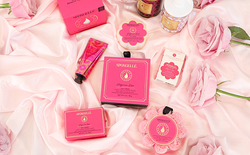
For shoppers who enjoy the convenience of an all-in-one cleansing buffer, this is a moment to be selective. Spongellé buffers are designed to make bathing feel polished and pampering, but an active eczema flare calls for a pause on exfoliating textures. Save the sensorial ritual for areas of healthy, non-reactive skin only if you know your skin tolerates it, and choose gentler care while a flare settles.
Common eczema mistakes that feel like self-care
The most tempting routine upgrades are often the ones that ask too much from reactive skin. A scrub that promises instant softness, a hot soak after a long day, or a heavily scented body product can feel like a treat in the moment. Yet eczema care tends to reward consistency over intensity.
It also helps to avoid chasing flakes with more friction. Flaking can be a sign that skin needs moisture and barrier support, not a stronger exfoliant. If thick scale, stubborn patches, or roughness are not improving, a dermatologist can determine whether eczema is the cause and whether a different treatment is needed.
Laundry and lifestyle details matter, too. Soft, breathable fabrics, fragrance-free detergent when fragrance is a known trigger, and regular moisturizing can reduce the number of variables your skin has to manage. None of this needs to make your routine feel clinical. The goal is to make comfort the standard, then add beauty and sensory details around what your skin can genuinely enjoy.
A more luxurious definition of gentle
Eczema does not mean you have to give up the pleasure of body care. It simply asks for a more thoughtful rhythm: cleanse without stripping, moisturize generously, and treat active irritation like the signal it is. On calm-skin days, any exfoliation should feel light, occasional, and completely optional.
The most satisfying ritual is the one your skin can look forward to. Let softness, ease, and comfort set the mood - and let your dermatologist help when your skin needs more than a gentler shower can provide.