




A loofah that once felt plush, fragrant, and beautifully exfoliating can quietly become the least luxurious part of your shower. If you are wondering when should you replace loofahs, the answer is usually sooner than you think - especially when it stays damp between uses or starts to lose its fresh, springy feel.
Loofahs work hard. They lift away dull surface skin, build a creamy lather, and turn a quick rinse into a small moment of escape. But their textured surfaces can also hold onto moisture, body wash residue, and skin cells. Replacing yours at the right time keeps your bathing ritual feeling clean, comfortable, and indulgent from the first rinse to the final rinse.
When Should You Replace Loofahs?
For most people, a natural loofah should be replaced about every three to four weeks. A synthetic mesh pouf may last a little longer, typically four to eight weeks, when it is rinsed thoroughly and allowed to dry completely after every shower.
That timing is a helpful baseline, not a rigid rule. A loofah used twice a day, shared with someone else, or left in a steamy shower without airflow may need to go sooner. One that is used a few times a week and dries in a well-ventilated space may stay in better condition for longer. The best approach is to pair a regular replacement schedule with a quick visual and sensory check.
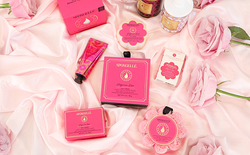
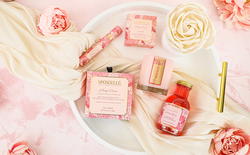
If you use a cleansing buffer rather than a traditional loofah, follow its intended use guidance. Spongellé buffers are designed to make cleansing and exfoliation feel beautifully simple, with a defined number of uses so you can enjoy the ritual without guessing when it is time for something fresh.
The Signs Your Loofah Is Ready to Retire
A calendar reminder is useful, but your loofah will often tell you when its best days are behind it. Do not try to revive a loofah that looks or smells questionable. A fresh replacement is a small upgrade that makes a meaningful difference to your everyday ritual.
Here are six clear signs it is time to toss it.
- It has an odor. Any musty, sour, or mildewy smell is a sign that moisture has lingered too long. Even if fragrance from your body wash covers it temporarily, it is time for a new one.
- It stays wet for hours. A loofah that never seems to dry can hold onto unwanted buildup. This is especially common when it is kept inside a closed shower or piled on a ledge after use.
- The texture has changed. Natural loofahs may become overly soft, limp, or brittle. Mesh poufs can flatten, unravel, or lose the bounce that makes lather feel so luxurious.
- You see discoloration or spots. Dark patches, pinkish residue, visible mildew, or anything that looks unfamiliar means replacement should happen immediately.
- It no longer lathers well. Product residue and trapped oils can keep your favorite body wash from foaming as it should. When the lather feels lackluster after a thorough rinse, a new tool may be the answer.
- Your skin feels irritated afterward. This can have several causes, including over-exfoliation or a new product, but a worn loofah is worth ruling out. Choose a softer cleansing option while your skin settles.
Why Freshness Matters in a Bath Ritual
The appeal of a loofah is tactile. It creates that satisfying, spa-inspired polish that makes skin feel smooth and refreshed. Once it is worn down, however, it can become scratchy in some places and too soft in others, delivering uneven exfoliation that feels more frustrating than pampering.
There is also the moisture factor. Bathrooms are warm and humid, which is ideal for lingering dampness. A loofah does not need to look visibly dirty to have reached the end of its useful life. Replacing it regularly is simply a smart part of body-care housekeeping, much like changing a washcloth or washing your towels.
Fresh tools also make fragrance feel more intentional. Whether you prefer a bright citrus note in the morning, a soft floral after a long day, or a warm, comforting scent before bed, a clean exfoliating accessory lets the experience shine as it was meant to.
How to Help a Loofah Last Between Replacements
A little care can extend the pleasant life of your loofah, though it cannot make it last forever. After each use, rinse it under clean water until there is no remaining soap or body wash. Gently squeeze out excess water without twisting or tearing the fibers.
Then move it out of the direct shower stream and into a spot with airflow. A hook near an open bathroom door, a dry towel bar, or another ventilated area is better than leaving it crumpled in a shower caddy. The goal is simple: let it dry fully before the next use.
Avoid storing a damp loofah in a travel bag, gym tote, or sealed container. If you are packing for a trip, let it dry first or bring a fresh, travel-ready option instead. It is an easy way to keep your routine feeling polished wherever you are.
If your loofah is washable according to its care instructions, follow them carefully. Still, washing is not a substitute for regular replacement. Once the fibers break down, the odor returns, or the texture no longer feels good on skin, it has done its job.
Choose the Right Exfoliation for Your Skin
Not every body needs daily exfoliation. If your skin is dry, sensitive, freshly shaved, sun-exposed, or prone to irritation, a traditional loofah may feel too intense when used every day. Try using it two or three times a week, then cleanse with your hands or a soft washcloth on the other days.
Pressure matters, too. Let the texture do the work rather than scrubbing aggressively. Use light, circular motions over arms, legs, and areas that tend to feel rough, such as elbows and knees. Be gentler on the chest, neck, and décolletage, where skin can be more delicate.
For a softer, more streamlined experience, an all-in-one cleansing buffer can be a lovely alternative. It pairs body wash and exfoliation in one step, reducing the number of shower accessories to rinse, dry, and replace. The trade-off is that it is meant for a set number of uses rather than indefinite upkeep - a welcome kind of simplicity for a busy routine or a thoughtful gift.
A Simple Replacement Rhythm That Feels Effortless
The easiest habit is to replace your loofah at the start of each month, then replace it earlier if you notice any of the warning signs above. For heavy use, set a reminder every two to three weeks. If you use a mesh pouf only occasionally and dry it well, you may comfortably reach the four-to-eight-week range.
Keep a spare on hand so a worn-out loofah never interrupts your shower routine. A fresh body-care essential also makes an unexpectedly charming addition to a self-care gift, paired with a favorite body wash, lotion, or fragrance. It says, in the most practical way, that everyday care deserves to feel special.
Your bath ritual should leave you feeling polished, comforted, and ready for whatever comes next. When a loofah loses that fresh, satisfying feel, let it go without hesitation - and make room for a new moment of everyday luxury.